
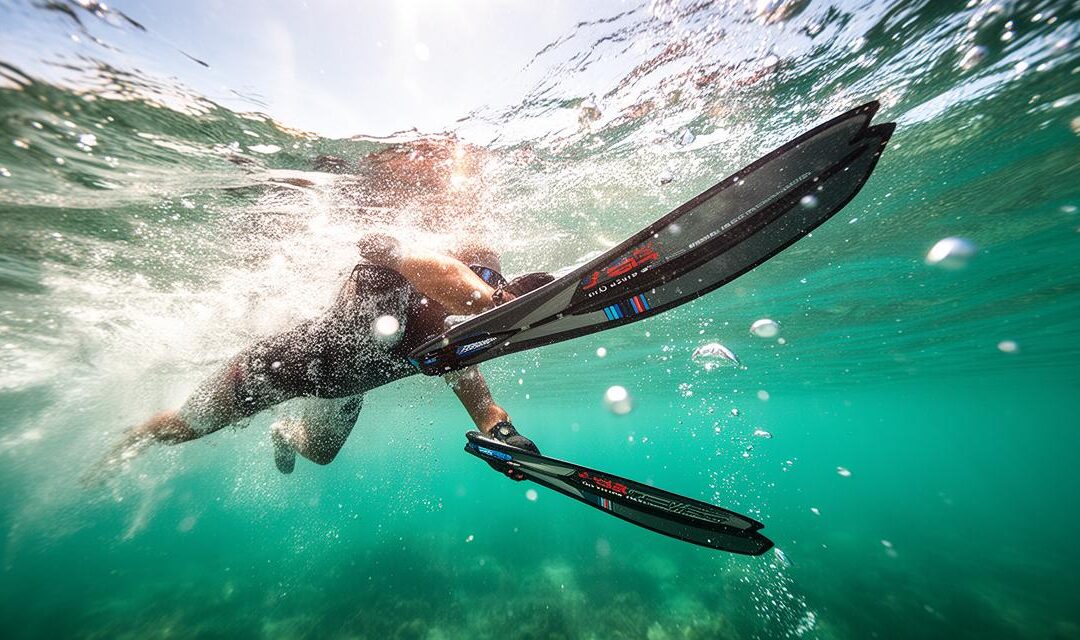
The world of ocean sports demands not only skill and determination but also the right equipment to unlock one's full potential. Swimmers, bodyboarders, and water sports enthusiasts increasingly turn to advanced fin technology to enhance their performance, build strength, and adapt to the ever-changing dynamics of the sea. Amongst the array of options available, Viper fins have emerged as a popular choice, blending innovative design with practical functionality to meet the needs of athletes across various disciplines. Understanding the science behind these tools offers valuable insights into how they can transform your experience in the water, whether you are navigating powerful surf breaks or refining your technique in calmer conditions.
Understanding the Biomechanics of High-Performance Swimming Fins
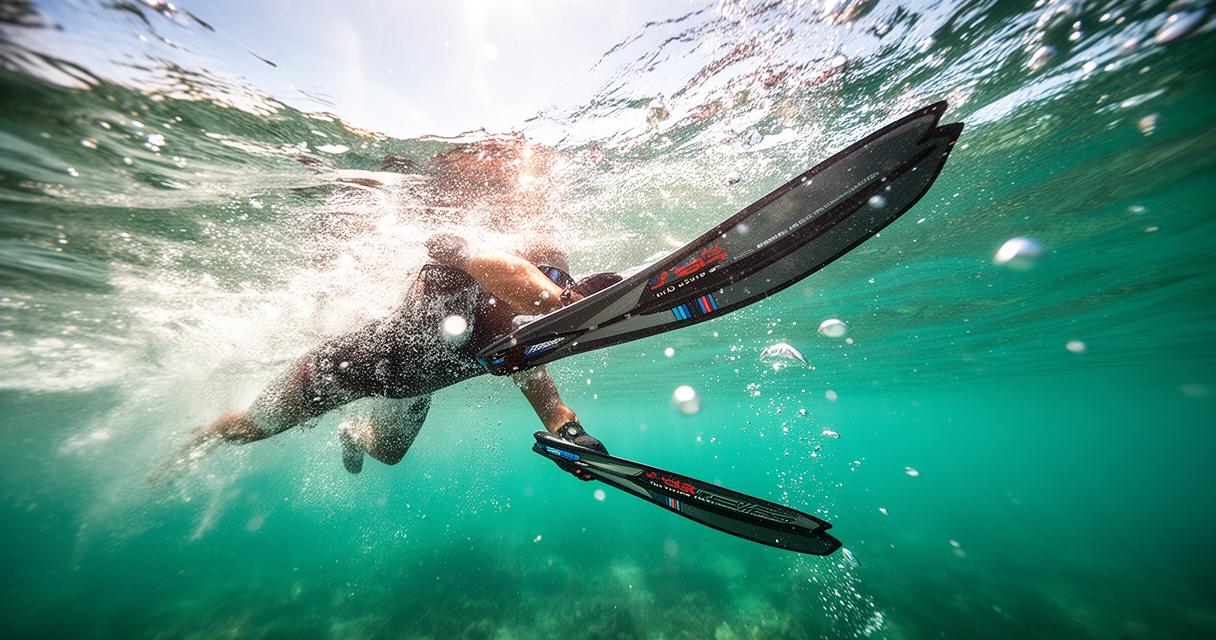
The design of high-performance fins is rooted in a deep understanding of biomechanics, aiming to optimise propulsion whilst minimising the strain on muscles and joints. When a swimmer or bodyboarder kicks through water, the fin acts as an extension of the leg, amplifying the force generated by each movement. The efficiency of this process depends on several factors, including the shape, material, and flex characteristics of the fin. Viper fins, known for their robust construction and carefully engineered profiles, are designed to maximise thrust with each kick, allowing users to cover greater distances with less effort. This is particularly beneficial during extended sessions in the ocean, where conserving energy can make the difference between an exhilarating experience and exhaustion.
How viper fin design enhances propulsion and reduces muscle fatigue
A key advantage of Viper fins lies in their ability to balance power and comfort. The blade geometry is crafted to channel water effectively, creating a smooth and consistent flow that translates into forward motion. Unlike some models that require excessive exertion, these fins encourage a natural kicking rhythm, reducing the risk of cramping and fatigue. The materials used in their construction often incorporate advanced composites or durable rubber, which provide the necessary stiffness to generate propulsion without being overly rigid. This balance is crucial for maintaining leg strength over time, as it allows muscles to engage progressively rather than being overloaded. For those involved in swim training or competitive swimming, this gradual build-up of strength can lead to significant improvements in performance, particularly when combined with varied training routines that incorporate short-blade fins for technique work and longer sessions with fins designed for endurance.
The Role of Flex Patterns in Optimising Power Transfer Through Water
Flex patterns are another critical element in fin design, influencing how energy is transferred from the leg to the water. A fin that is too stiff may cause discomfort and limit the range of motion, whilst one that is too flexible might fail to provide adequate propulsion. Viper fins are engineered with a flex profile that adapts to the user's kicking style, allowing for a fluid motion that feels both powerful and controlled. This adaptability is particularly advantageous in ocean environments, where conditions can vary dramatically from one moment to the next. Whether navigating the choppy waters of a surf break or gliding through the calmer sections of a paddle course, the right flex pattern ensures that each kick is efficient and effective. For swimmers looking to improve their ankle flexibility and body position, fins with well-designed flex characteristics offer an excellent training aid, encouraging proper form whilst building the necessary strength.
Choosing the Right Equipment: From Bodyboard Accessories to Bodysurfing Essentials
Selecting the appropriate gear for ocean sports extends beyond fins alone, encompassing a range of accessories and protective items that enhance both safety and performance. Bodyboarders, for instance, require not only high-quality fins but also neoprene suits to maintain warmth in colder waters, covers to protect their boards from damage, and other essentials that ensure a comfortable and productive session. The market offers a diverse array of products, each tailored to specific activities and conditions, making it essential for enthusiasts to understand the nuances of what they need.
Comparing Viper Fins to Dafin Models: Price, Stock Availability, and Performance Features
When evaluating fins, many athletes find themselves comparing popular models such as Viper and Dafin, both of which have established reputations within the swimming and bodyboarding communities. The choice between these options often comes down to personal preference, budget, and specific performance requirements. Viper fins are frequently praised for their durability and power, making them a solid choice for those who prioritise strength and propulsion. Dafin models, on the other hand, are known for their versatility and comfort, appealing to users who value a more natural feel in the water. In terms of price, both brands occupy a similar range, though stock availability can vary depending on demand and location. It is not uncommon for certain sizes or colours to be temporarily unavailable, particularly during peak seasons when ocean swims and surf events draw large crowds. For this reason, planning ahead and securing your equipment well in advance is advisable, especially if you have specific preferences regarding fit and style.
Essential Gear Beyond Fins: Neoprene Suits, Covers, and Protective Accessories for Ocean Sports
A comprehensive approach to ocean sports preparation involves more than just selecting the right fins. Neoprene suits play a vital role in regulating body temperature, ensuring that athletes remain comfortable even during prolonged exposure to cold water. The thickness and design of these suits should be chosen based on the typical conditions of your local swimming spots, with thicker materials suited to colder climates and thinner options preferable for warmer regions. Additionally, protective covers for bodyboards and surfboards help prevent damage during transport and storage, extending the lifespan of your equipment. Other accessories, such as leashes, wax, and waterproof bags, contribute to a safer and more organised experience, allowing you to focus on your performance rather than logistical concerns. For those engaged in activities like windsurf, foil, or paddle sports, investing in quality gear tailored to each discipline can significantly enhance both enjoyment and results.
Training strategies and ocean conditions: maximising your water sports performance
Achieving peak performance in ocean sports requires more than just the right equipment; it demands a strategic approach to training that builds strength, refines technique, and adapts to the unique challenges posed by marine environments. Whether you are preparing for a swim series event or simply looking to improve your skills for recreational purposes, understanding how to train effectively and respond to varying conditions is essential.
Building Leg Strength for Surf, Windsurf, Foil, and Paddle Activities
Leg strength is a cornerstone of success in water sports, providing the power needed to navigate waves, maintain balance on a board, and execute precise movements. Incorporating fins into your training routine is an excellent way to develop this strength progressively. Short-blade fins are particularly effective for technique-focused sessions, as they allow for a higher kick rate without overwhelming the muscles, making them ideal for swimmers looking to improve their swimming technique and body position. Long-blade fins, conversely, are better suited for building raw power and endurance, challenging the legs to work harder with each kick. This variety in training is crucial, as it prevents monotony and ensures that different muscle groups are engaged over time. For athletes involved in surf, windsurf, or foil activities, the ability to generate explosive power from the legs can translate into improved performance, whether launching into a wave or maintaining stability during a challenging manoeuvre. Training variety, including dry-land exercises such as squats and lunges, complements fin work and contributes to a well-rounded fitness regimen.
Adapting Your Technique to Delta Wings, Earth Breaks, and Varying Ocean Environments
The ocean is a dynamic and unpredictable environment, with conditions that can shift rapidly depending on factors such as tide, wind, and swell. Adapting your technique to these changes is a skill that comes with experience and careful observation. Delta wing configurations, often seen in advanced bodyboarding and surf equipment, offer enhanced manoeuvrability and control, making them well-suited to challenging breaks where precision is paramount. Understanding how to position your body and adjust your fin work in response to the shape and power of a wave can mean the difference between a smooth ride and a wipeout. Similarly, recognising the characteristics of earth breaks, where waves crash over sand or rock formations, requires a different approach compared to reef or point breaks. Swimmers and coaches alike emphasise the importance of spending time in the water under varied conditions, as this exposure builds intuition and confidence. Engaging with swimming clubs and participating in ocean swims can provide valuable opportunities to learn from others, share experiences, and refine your approach. Many enthusiasts also benefit from attending organised events, such as those featured in popular swim series, where the camaraderie of swimming communities fosters both motivation and skill development.
Ultimately, the journey to mastering ocean sports is one of continuous learning and adaptation. By combining the right equipment, informed training strategies, and a willingness to embrace the challenges of the sea, athletes of all levels can unlock new dimensions of performance and enjoyment. The science behind advanced fins like the Viper models underscores the importance of thoughtful design in achieving these goals, offering tools that empower users to push their limits whilst respecting the demands of their bodies and the environment. Whether you are drawn to the thrill of competitive swimming, the artistry of bodyboarding, or the meditative rhythm of a long paddle, the insights gained from understanding fin technology and training principles will serve you well in every session.