Starting your journey on the slopes can feel both thrilling and slightly daunting, particularly when faced with the vast array of snowboards available on the market. For those taking their first steps into snowsports, understanding the basics of board selection is vital. Choosing the right snowboard not only enhances your learning experience but also ensures you develop proper technique and confidence from the outset. With the right knowledge about board types, technical specifications, and practical considerations, you can make an informed decision that sets you up for success on the mountain.
Understanding Snowboard Types and Their Suitability for Novices
When you first step into a snowsports shop, you will encounter a range of board styles, each designed for different riding environments and skill levels. The two primary categories you will come across are freestyle and freeride boards, both offering distinct characteristics that suit specific riding preferences. Freestyle boards tend to be shorter and more playful, designed for tricks, jumps, and terrain park riding. They often feature a twin shape, meaning the nose and tail are identical, which allows riders to move forwards or backwards with equal ease. Freeride boards, on the other hand, are typically longer and more directional, built for carving down open pistes and handling deeper snow conditions with greater stability.
Freestyle vs Freeride: Finding the Right All-Mountain Balance
For beginners, the choice between freestyle and freeride can seem confusing, but there is a practical solution that bridges both worlds. All-mountain snowboards offer a versatile middle ground that allows novices to explore various terrains without committing to a single riding style. These boards combine elements of both freestyle and freeride designs, providing enough flexibility to learn tricks whilst maintaining the stability needed for cruising down groomed runs. An all-mountain board typically features a directional twin shape, which means it leans slightly towards one direction but still allows for some degree of switch riding. This balanced approach is ideal for those who are still discovering their preferred riding style and want the freedom to experiment across different parts of the mountain.
Why All-Mountain Boards Offer the Best Versatility for Learning
The reason all-mountain boards are so highly recommended for beginners lies in their adaptability. As a novice, you will spend considerable time learning the fundamentals, such as controlling your speed, initiating turns, and maintaining balance. An all-mountain board is forgiving enough to accommodate these learning stages whilst still offering room for progression. The versatility of this type of board means you can confidently tackle beginner slopes, venture onto intermediate terrain, and even explore side hits and small features in the terrain park as your skills develop. This flexibility ensures that your investment in a snowboard remains relevant as you advance through the early stages of your snowboarding journey, making it a sensible choice for those who want to maximise their time on the slopes without needing to upgrade too soon.
Critical technical specifications: size, flex, and camber profiles
Beyond the type of board, the technical specifications play a crucial role in determining how well a snowboard will suit your needs as a beginner. Three key factors demand attention when selecting your first board: the correct length, the appropriate flex rating, and the camber profile. Each of these elements directly influences how the board performs under your feet and how easily you can control it during your initial attempts at mastering the sport.
Determining proper board length: the chin-to-nose rule explained
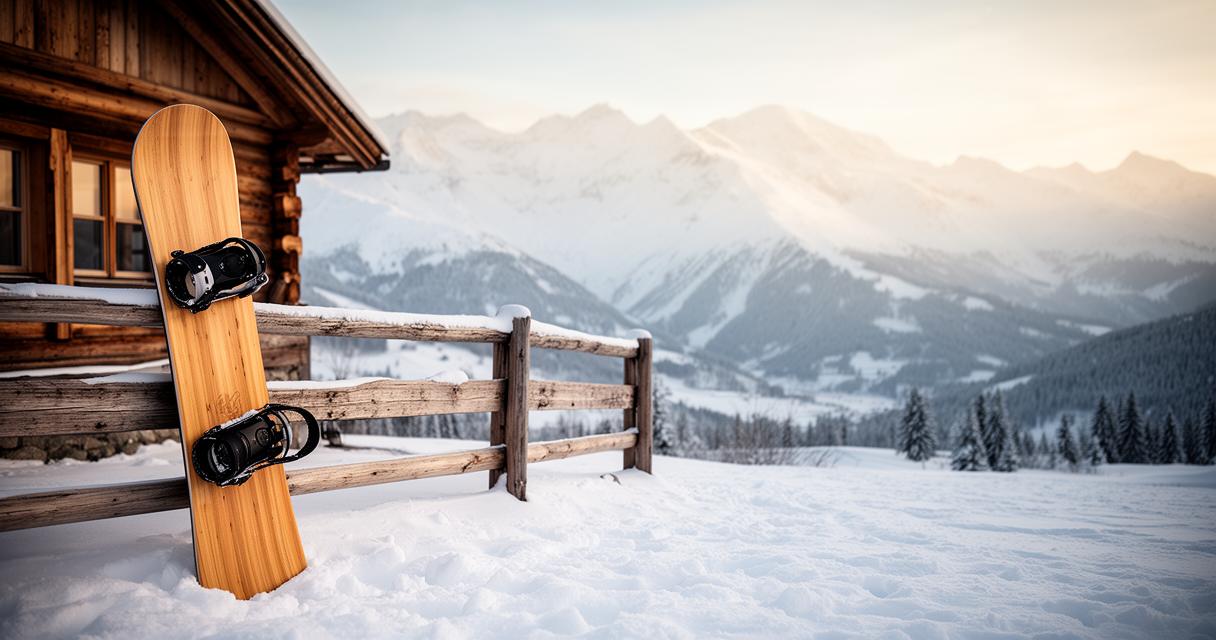
One of the most common questions beginners ask is how to determine the right length for their snowboard. A widely accepted guideline is the chin-to-nose rule, which suggests that when you stand the board upright next to your body, the top should reach somewhere between your chin and your nose. This range provides a good starting point, as boards within this height offer a balance between manoeuvrability and stability. Shorter boards, closer to chin height, are generally easier to turn and control, making them ideal for those still gaining confidence. Longer boards, nearer to nose height, offer greater stability at higher speeds and better float in powder, though they require more effort to steer. For most beginners, aiming for a board that reaches the nose or just below is a safe bet, as it provides sufficient stability without sacrificing too much agility.
Softer Flex and Rocker Profiles: Why They Matter for Beginner Control
The flex rating of a snowboard is measured on a scale from one to ten, with lower numbers indicating a softer, more forgiving flex and higher numbers representing a stiffer, more responsive board. Beginners should gravitate towards boards with a softer flex, typically in the range of three to five. A softer board is more forgiving when you make mistakes, allowing for easier turn initiation and a more comfortable ride overall. This forgiving nature helps build confidence, as the board does not punish minor errors as harshly as a stiffer alternative would. Equally important is the camber profile, which refers to the shape of the board when viewed from the side. Traditional camber boards have an upward arch in the middle, which provides excellent edge control but can be challenging for beginners to master. Rocker boards, also known as reverse camber, feature an upward curve at the nose and tail with a flatter centre section. This design makes it easier to initiate turns and reduces the likelihood of catching an edge, making rocker or flat profiles particularly suitable for those new to the sport. Some boards combine elements of both camber and rocker, offering a hybrid profile that balances forgiveness with performance, providing another excellent option for novices.
Practical considerations when purchasing your first snowboard
Once you have a solid understanding of the types and technical specifications, the next step is to consider the practical aspects of purchasing your first snowboard. This involves balancing your budget with the features you need, as well as thinking about your personal style and preferences. Snowboarding is not just about performance; it is also about feeling confident and comfortable on the mountain, and the right board should reflect both functional and aesthetic considerations.
Balancing function, budget, and personal style preferences
For many beginners, budget is a significant factor when choosing a snowboard. Fortunately, there are excellent entry-level boards available that do not compromise on quality or safety. It is important to remember that while price often correlates with advanced features and materials, a more expensive board does not automatically make you a better rider. Focus on finding a board that meets the technical requirements discussed earlier, such as appropriate length, softer flex, and a forgiving camber profile. Once you have narrowed down your options based on these criteria, you can then consider aesthetic elements such as graphics, colour schemes, and brand reputation. Personal style matters, as feeling good about your equipment can boost your confidence on the slopes. Many retailers also offer package deals that include bindings and sometimes even boots, which can provide better value for money and ensure compatibility between components. Additionally, do not overlook the importance of complementary gear such as insulated parkas, waterproof jackets, and winter gloves, all of which contribute to a safe and comfortable experience on the mountain.
Special Requirements for Children's Snowboards: Safety and Comfort First
When selecting a snowboard for a child, the considerations shift slightly to prioritise safety and comfort above all else. Children's snowboards are specifically designed with lighter materials, softer flex ratings, and shorter lengths to suit smaller, lighter bodies. The chin-to-nose rule still applies, but parents should also consider the child's weight and ability level, as these factors influence how the board will perform. A common mistake is purchasing a board that is too large in the hope that the child will grow into it. This approach can hinder learning and increase the risk of injury, as an oversized board is difficult to control. Instead, choose a board that fits the child's current size and skill level, allowing them to progress safely and enjoyably. Additionally, ensure that all accompanying gear, such as children's outdoor clothing, helmets, and thermal layers, are appropriately sized and designed for young riders. Comfort and warmth are essential, as children are more susceptible to cold and fatigue, which can quickly diminish their enthusiasm for the sport. Investing in quality base layers, fleeces, and waterproof trousers will keep them dry and comfortable throughout the day, making the experience far more enjoyable and encouraging them to continue developing their skills.